

Introduction
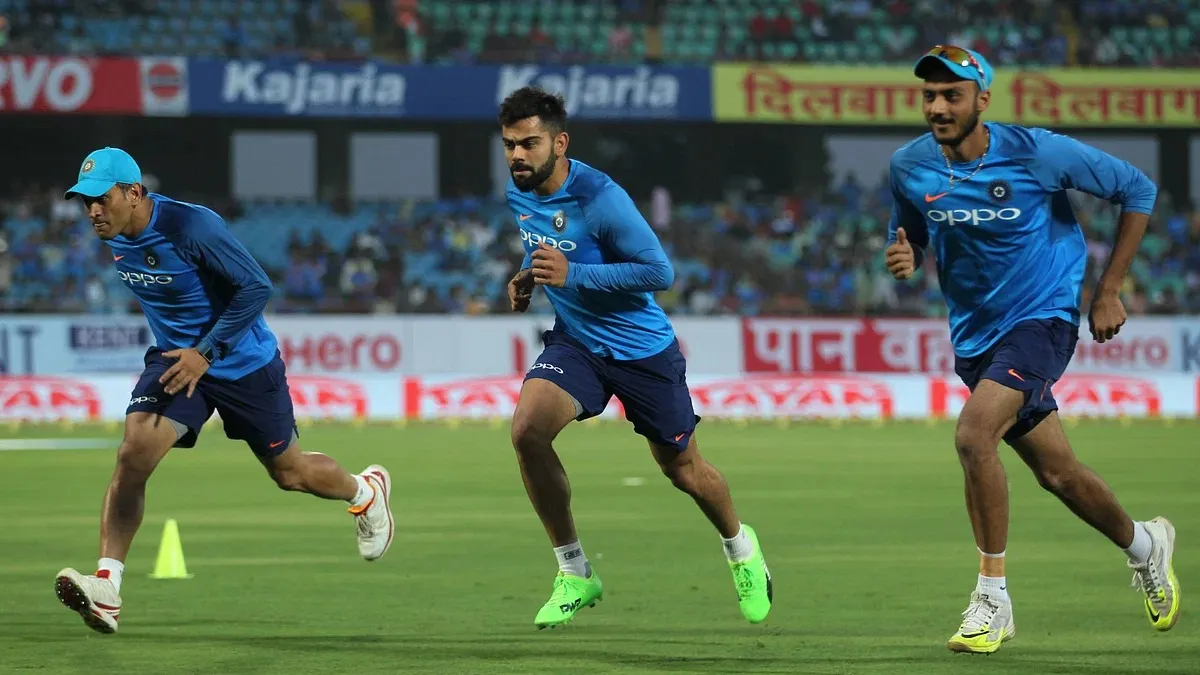
Over the past ten years, cricket has experienced a revolution in fitness, and the yo-yo test has become the gold standard for assessing a player’s physical preparedness. This test is a meticulously crafted fitness evaluation that gauges a player’s capacity to perform in circumstances that closely resemble the intensity of an actual cricket match, not merely a haphazard test of stamina. Physical conditioning is now equally as crucial as batting, bowling, and fielding abilities since shorter forms like T20 and ODI require more running, agility, and explosive energy. Today, regardless of their potential, athletes who don’t meet the yo-yo test’s fitness requirements end up on the sidelines.
Players’ perspectives on fitness have evolved since the yo-yo test was introduced. Long-distance running or simple fitness exercises were used to gauge endurance in the past, but contemporary cricket required a more objective and game-specific method. Players must continuously sprint, pause, and recover in brief bursts to mimic real-match situations. Running between wickets, pursuing the ball to the boundary or bowling over after over are all examples of the movements a player makes on the pitch. Consequently, the yo-yo test has developed into a vital instrument for coaches and selectors to assess a player’s capacity to handle the physical demands of the game.
The yo-yo test evaluates a player’s mental toughness and self-control in addition to their athletic prowess. Determination and the will to persevere through exhaustion are necessary to finish the test’s higher levels. The athletes that keep a disciplined lifestyle, emphasising diet, recuperation, and regular training, are frequently the ones who perform well on this exam. For many cricket players, getting great results on the yo-yo test has become a badge of honour, demonstrating their dedication to professionalism and optimal health. As a result, teams now have a positive culture where being fit is essential to succeed rather than an alternative.
The significance of the yo-yo exam will only grow as the game develops further. It guarantees that players are healthy enough to manage the demands of lengthy tours, back-to-back games, and various playing environments. Everyone is now required to maintain the same high standards of fitness, whether they are seasoned internationals or inexperienced domestic players. As a result of this change, cricket is now faster, more thrilling, and more competitive overall. The yo-yo test, its operation, its significance in cricket, and how players prepare to meet the necessary standards will all be covered in the parts that follow.
1. The Development of Fitness Standards and the Modern Era of Cricket
Over the last ten years, cricket has changed significantly, going from being a game that relied solely on skill to one that now requires extreme physical fitness. Players used to be able to make it with just their talent, but these days, consistency in performance and career longevity are determined by fitness. The game now requires greater running, quick reactions, and athletic fielding thanks to modern cricket formats like T20. Fitness testing is now a crucial component of selection procedures as a result of this progression. The yo-yo test has emerged as the gold standard for evaluating a cricket player’s total athletic ability, stamina, and endurance among all fitness tests.
The advent of the yo-yo test altered how athletes practiced and got ready for games. It established a new culture of accountability in which all players, regardless of ability or background, are required to maintain a specific level of fitness. Fitness-minded leaders like Virat Kohli and MS Dhoni spearheaded this change by elevating physical training to the same level of importance as batting and bowling techniques. Cricket is now more than simply runs and wickets; it’s about becoming a complete athlete, as failing the yo-yo test can lead to disqualification from both national and domestic teams.
2. Why Physical Fitness Is Now a Must in Cricket
Today’s cricket matches move quickly, leaving little room for error. It is required of players to dive when fielding, run like sprinters between wickets, and bowl for extended periods of time without losing their intensity. In addition to strength, such demands call for endurance and recuperation skills. Fitness assessments used to be lax, but after the yo-yo test was developed, a methodical and scientific approach to evaluating fitness was developed. It gives a clear image of a player’s level of endurance and aerobic capacity, both of which are critical for managing the physical demands of contemporary cricket.
The quality of the games has greatly increased because to this fitness-based strategy. In order to get the necessary yo-yo test score prior to each series, players now dedicate hours to strength training, cardio, and recuperation exercises. Other countries adopted the high standard set by the Indian cricket squad. Passing the yo-yo test is now a must for all players, whether they are bowlers, batsmen, or all-rounders.
3. The Origin of Cricket’s Yo-Yo Test
The yo-yo test was first created by Danish physiologist Jens Bangsbo as a fitness test for football players. Later on, it gained popularity in a variety of sports, including athletics, rugby, and hockey. It was introduced to cricket in order to evaluate fitness using a scientific method. Under the direction of Anil Kumble and strength coach Shankar Basu, the Indian squad formally accepted the test. Since then, the yo-yo test has been required at the highest level of team selection.
The dynamics of player selection have been totally altered by this test. Fitness used to be less crucial than competence, but it is now just as important. Even elite cricket players like Suresh Raina and Yuvraj Singh struggled since they were unable to reach the yo-yo standard. This demonstrates how important the test is to cricket boards.
4. The Yo-Yo Test Drives the Fitness Revolution
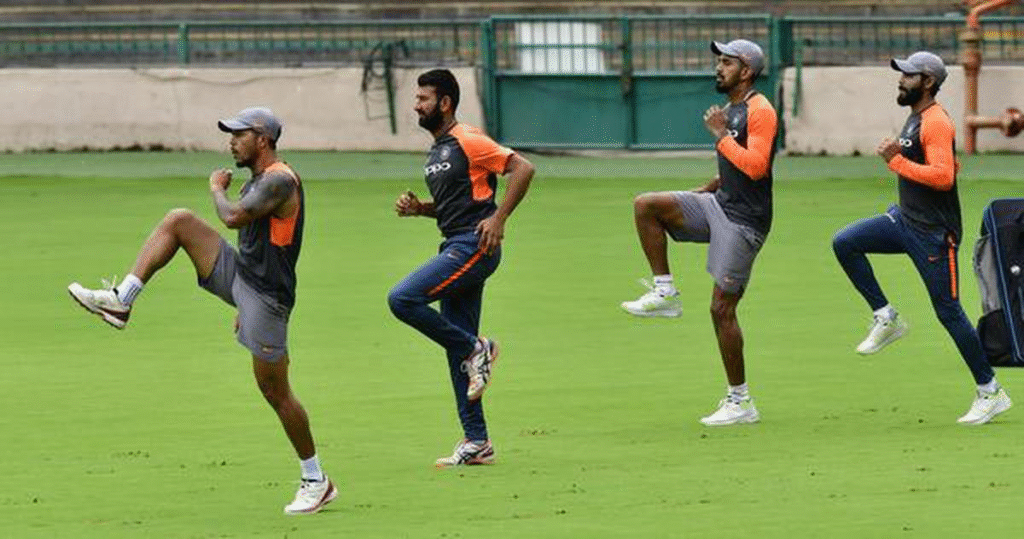
In cricket, the yo-yo test’s adoption has revolutionised fitness. Players who used to disregard physical fitness now put in more time at the gym, increasing their muscular endurance and cardiovascular strength. Better on-field performances, lower injury rates, and generally higher game standards have resulted from this. Particularly in formats like T20, where every second matters, teams with greater levels of fitness frequently dominate.
Domestic cricket players were also encouraged to put fitness first by the yo-yo test. Players must now meet minimum scores in order to be selected for state teams. The sport is made more competitive and thrilling by this consistent standard, which guarantees that all athletes competing at the professional level fulfil the same physical standards.
5. The Yo-Yo Test: What is it?
An endurance-based fitness test called the yo-yo test gauges a player’s capacity to run sprints at progressively faster speeds over and over again with brief rest intervals. It gauges aerobic capacity, endurance, and recuperation effectiveness—all critical attributes for contemporary cricket players. Players must sprint back and forth between two cones spaced 20 meters apart while keeping time with beeping sounds that signal the necessary pace. Players are forced to run faster as the test goes on because the intervals between alarms increase shorter.
The yo-yo test concentrates on intermittent endurance, which closely resembles cricket match conditions, in contrast to long-distance running, which gauges continuous stamina. Players frequently run between wickets, dive for the ball, and rapidly gather their stamina for the following delivery during an innings. The Yo-Yo test is the ideal fitness equipment for cricket because it is made to mimic these high-intensity efforts.
6. The Yo-Yo Test: How Does It Work?
The yo-yo test is divided into several stages, each of which has a set of shuttles. When a beep is heard, a player begins at one cone, races to the other, and then returns before the next beep. One shuttle is equal to one forward and one backward run. At first, players can comfortably finish the distance because the beeps are slow. However, the exam gets harder as levels increase since the interval between beeps gets shorter.
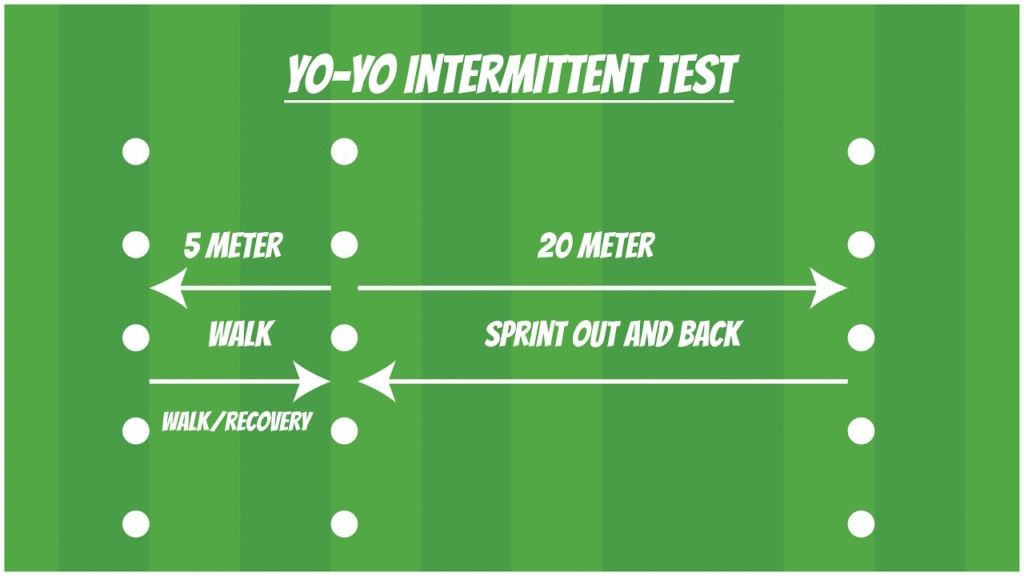
When a player misses the cone before the beep twice in a row, the test is over. The score is calculated using the most recent level and shuttle finished (e.g., Level 16.1). A player’s aerobic fitness, speed, and recuperation capacity are all reflected in this number, and these factors are critical for cricket performance.
7. An explanation of the Yo-Yo test structure
The yo-yo test’s design guarantees a steady increase in difficulty. Every level begins slowly and picks up speed after a few shuttles. To mimic the brief recuperation period players have between balls or overs, a 10-second gap is permitted in between each shuttle. Because of this, the yo-yo test is a more accurate way to evaluate a cricket player’s fitness than standard long-distance running.
For international players, the Indian cricket team has established a standard score of 16.1 or higher. Pro athletes frequently achieve scores higher than 19, demonstrating remarkable stamina. Players are inspired to maintain their best form all year long by these benchmarks.
8. Yo-Yo Test Advantages for Cricket Players
For cricket players, the yo-yo test has several advantages. First of all, it strengthens the heart, which is necessary for fielding, bowling for extended periods of time, and running between wickets. Second, it improves recuperation, which lowers the chance of weariness and injury during intense games.
Mental toughness is an additional advantage. Players are forced to step outside of their comfort zone as the test gets harder and harder. Resilience and determination are traits that transfer well into match circumstances and are exhibited by those who perform well on the yo-yo test.
9. How to Practice for the Yo-Yo Test
Players must concentrate on interval training, high-intensity sprints, and endurance exercises if they want to perform well on the yo-yo test. Running exercises that increase speed and recovery include shuttle runs, tempo runs, and 20-meter sprints. Including High-Intensity Interval Training (HIIT) sessions aids in the development of endurance as well.
Strength training is just as crucial. Running efficiency is increased by muscular endurance, core stability, and strong legs. In order to avoid injuries during strenuous runs, athletes should also concentrate on their mobility and flexibility.
10. Top Cricket Players’ Yo-Yo Test Scores and Standards
To be eligible for selection, players must score at least 16.1 for the Indian cricket team. But elite athletes like Manish Pandey and Virat Kohli have set new fitness records with scores above 19. Years of focused exercise, food control, and mental toughness are reflected in these ratings.
Similar fitness standards are also used by international teams including as Australia, England, and Pakistan. In cricket, this guarantees a worldwide standard for athletic conditioning.
11. Gamers Who Didn’t Pass the Yo-Yo Test
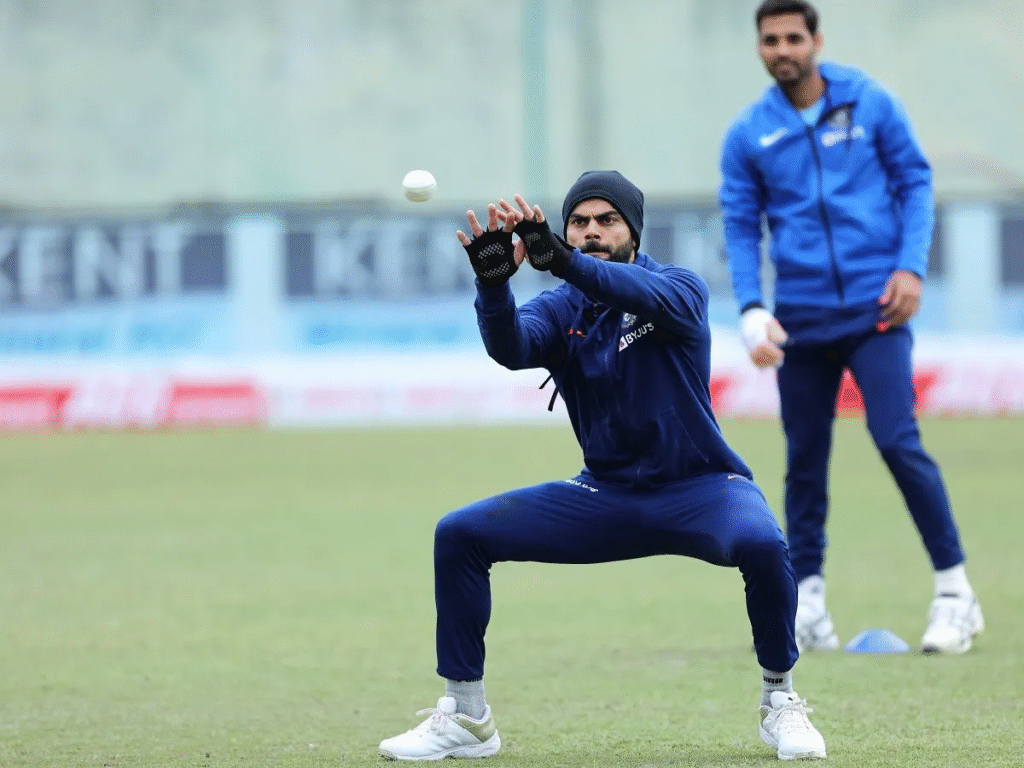
Numerous well-known figures have failed the yo-yo test over the years, demonstrating that selection is not always based only on reputation. Due to their failure to fulfil the necessary standard, cricket players such as Yuvraj Singh, Suresh Raina, and Ambati Rayudu lost out on possibilities. This strongly conveys to young athletes that skill is not as vital as fitness.
Players are now taking fitness seriously as a result of these setbacks. The yo-yo test’s ability to improve professional standards is demonstrated by the fact that many people who initially failed returned stronger.
In conclusion
Cricket has been transformed by the yo-yo test, which offers a methodical, scientific way to assess fitness. It has established a precise standard for all participants, guaranteeing that only those who are physically fit advance to the top level. Fitter players can now play at a higher level for longer periods of time without getting tired, which has greatly raised the game’s standard. It is impossible to overestimate how much the yo-yo test has shaped the modern cricket player as the game gets faster and more physically taxing.
The emergence of a fitness-first culture in cricket is one of the main effects of the yo-yo test. Players now realise that maintaining optimal physical condition is just as crucial as honing technique; skill alone is insufficient. Better training techniques, healthier diets, and an increased emphasis on recuperation and injury prevention are the results of this. Cricket players are now real athletes, able to compete in one of the world’s most physically taxing sports. The discipline imposed by the yo-yo test is responsible for all of this progress.
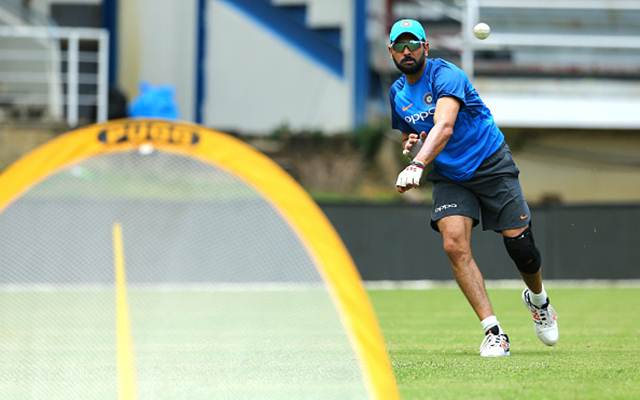
This test has advantages for more than just individual players. Fitter teams can field better, run faster, and maintain energy levels throughout the game, giving them a competitive edge. Fans find games more thrilling as a result, while opponents find them more difficult. Furthermore, by using the yo-yo test to enforce rigorous fitness requirements, cricket boards have made sure that the sport is prepared for the future and can handle the demands of longer schedules and high-intensity formats. Both coaches and athletes now respect it as a global language of fitness.
To sum up, the yo-yo test is more than simply a figure on a fitness chart; it symbolises the dedication, self-control, and willpower needed to succeed in contemporary cricket. It has changed how teams prepare, how players train, and how decisions are made. Passing the yo-yo test is the first step to a successful career for aspiring cricket players, and it serves as a constant reminder to professionals that skill and fitness go hand in hand. The yo-yo test will continue to be a vital component of cricket as it develops, guaranteeing that every player is performing at their peak.
Follow us on
Instagram – Damn Fitt
Twitter – https://x.com/damnn_fit
Facebook – https://www.facebook.com/profile.php?id=61578307628888
Click Below👇🏻 Links For More Topics
Let’s Know About Celebrities Fitness
Click Here👇🏻
( https://fitdamn.com/category/celebrity/ )
Let’s Know About Cricketers Fitness
Click Here👇🏻
( https://fitdamn.com/category/cricketer/ )
Let’s Know About Fitness
Click Here👇🏻
( https://fitdamn.com/category/fitness/ )
Let’s Know About Fitness Challenges
Click Here👇🏻
( https://fitdamn.com/category/fitness-challenge/ )
Let’s Know About Fitness Facts
Click Here👇🏻
( https://fitdamn.com/category/fitness-facts/ )
Let’s Know About Fitness Mistakes
Click Here👇🏻
( https://fitdamn.com/category/fitness-mistakes/ )
Let’s Know About Fitness Foods
Click Here👇🏻
( https://fitdamn.com/category/foods/ )
Let’s Know About Footballers
Click Here👇🏻
( https://fitdamn.com/category/footballer/ )
Let’s Know About Motivational Quotes
Click Here 👇🏻
( https://fitdamn.com/category/quotes/ )
