

Introduction
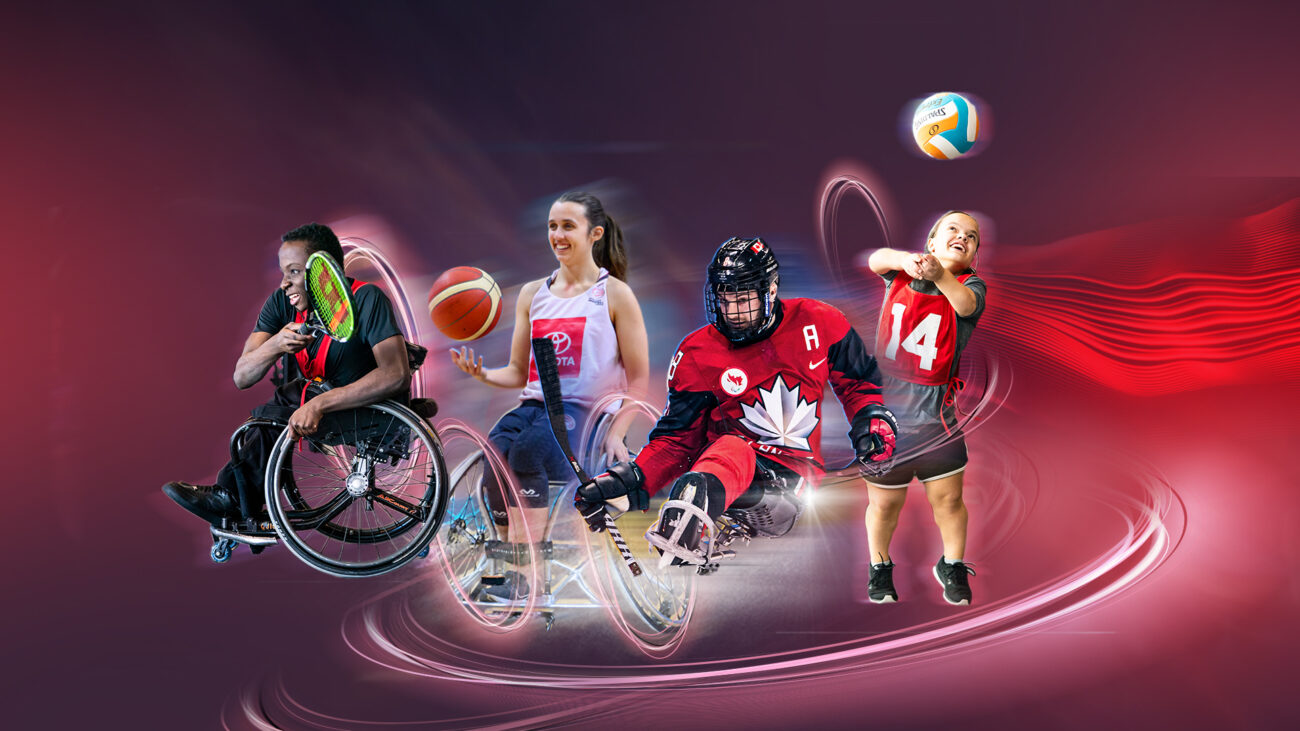
One of the most powerful manifestations of human bravery, self-control, and emotional strength is seen in para sports. These sports are more than simply contests; they are real-life manifestations of fortitude, confidence, and the determination to let physical obstacles stop them. Physical rehabilitation, sporting drills, mental conditioning, and adaptive approaches are all balanced in the intense training of para athletes in para sports worldwide. Millions of people are inspired by their stories—not because they conquered their impairment, but rather because they accepted their identity and used it to achieve success. Para sports are essential in today’s society for promoting equality of opportunity, inclusivity, and the idea that everyone may participate in sports, regardless of physical ability.
Para sports have produced global heroes who demonstrate that perseverance and a positive outlook are more important for success than conventional physical requirements. Wheelchair racing, para-swimming, seated volleyball, para-archery, and blind football all require special, highly specialized, and demanding skills. Athletes receive training that incorporates medical advice, cutting-edge technology, adaptive equipment, and body-specific exercise regimens. As a result, para athletes in para sports acquire extraordinary stamina, unparalleled mental toughness, and discipline that beyond regular athletic training. Instead of adjusting to the sport, their strategy focuses on molding it to fit their circumstances while maintaining top-notch performance.
Simultaneously, the growing popularity of para sports has created opportunities for improved facilities, research, mentorship, and youth development initiatives. These days, a lot of young boys and girls with disabilities encounter role models that resemble them, which inspires aspiration and hope. In addition to creating champions, para sports have changed people’s lives by demonstrating the reality that society frequently overlooks: the restrictions people discuss are frequently mental rather than physical. Para athletes are still shattering records, dispelling myths, and redefining what it means to be a great athlete. Their training and life experiences serve as a reminder that strength may take many different forms and demonstrate what true resolve looks like.
1. The Distinctive Path of Para athletes
A para athlete’s journey frequently starts with healing, acceptance, and regaining confidence following a significant life-altering event rather than with athletics. Accidents, diseases, or congenital problems cause many para paths to lose their mobility. They receive physical treatment and learn how to adjust to their surroundings before they ever play sports. Because they have to relearn motions or adapt to new physical limits, this phase is frequently emotionally taxing. However, this time also lays the mental groundwork for them to become formidable rivals in the future. Their foray into para sports becomes a manifestation of self-reliance, metamorphosis, and the aspiration to construct a significant future.
The journey becomes more organized and rigorous after an athlete finds a sport that fits their condition. Their training regimen is shaped in large part by coaches, physiotherapists, and family support. Athletes frequently discover latent strengths they were unaware of, such increased upper-body strength, improved reflexes, or exceptional endurance. They are able to perform at elite levels thanks to specialized gear like swimming supports, prosthetic blades, and racing wheelchairs. Along the way, para athletes gain proficiency as well as a strong bond with their tools and body mechanics.
Competitions serve as stepping stones as they advance, testing their development and mental toughness. National championships result from local competitions, and the Paralympic goal becomes a powerful source of motivation for many. Due to the high cost of adaptive sports equipment, the trip is fraught with obstacles, health issues, and financial hardships. However, because their drive is far greater than the challenges they face, para athletes keep moving forward. Their trip turns into a potent symbol of hope, demonstrating that success is always achievable with a strong will and that life can be rebuilt with enthusiasm.
2. Methods of Training and Adaptive Approaches
Because each athlete has a unique amount of mobility, strength, and functionality, training in parasports necessitates a customized strategy. Depending on the athlete’s type of disability—limb loss, spinal cord injury, sight impairment, or coordination disorder—coaches create routines. Wheelchair racers, for instance, place a lot of emphasis on hand-rim technique, shoulder rotation, and upper-body strength. Amputated swimmers practice balance, core control, and effective stroke modification. Every athlete discovers how to make the most of their residual muscles, transforming them into effective competitive instruments.
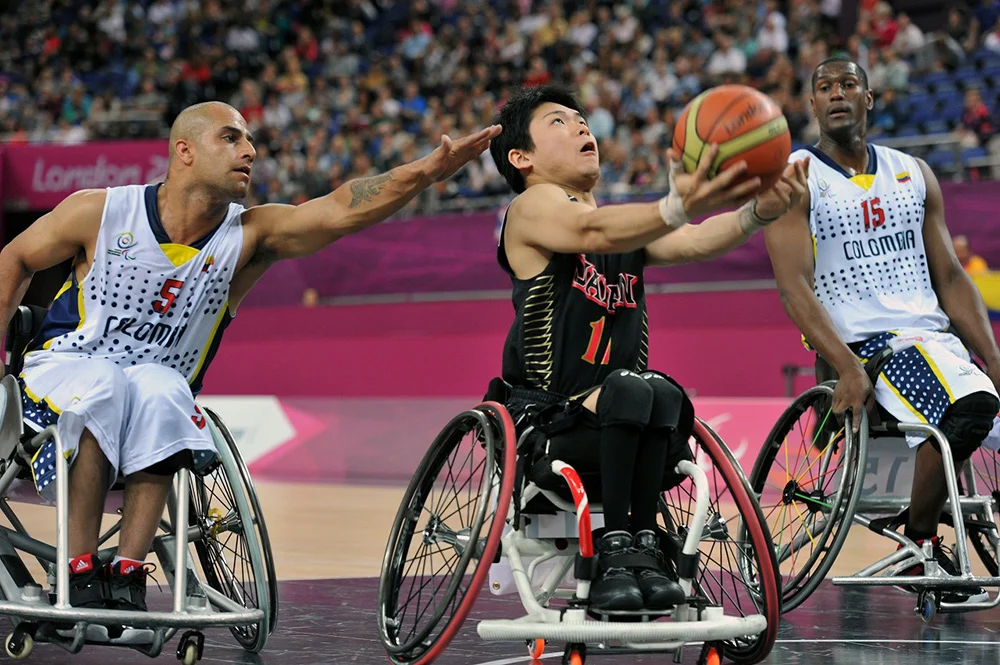
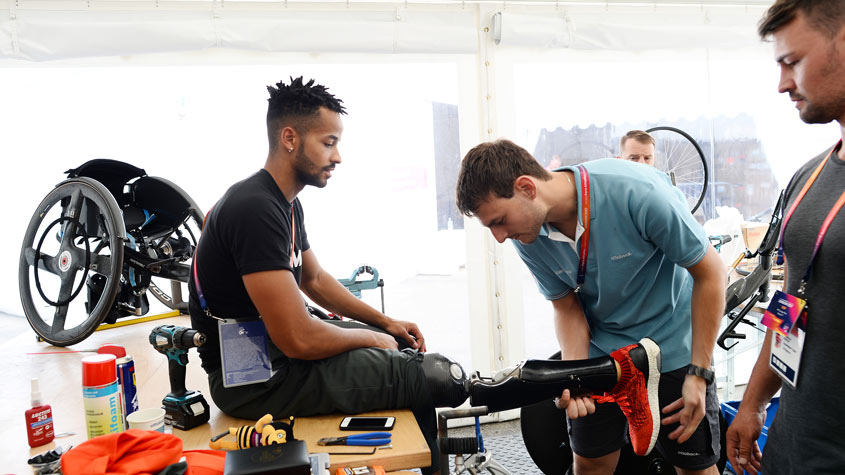
In training, adaptive techniques are also very important. With the development of sophisticated prosthetics, lightweight racing wheelchairs, tactile sensory devices for athletes with visual impairments, and customized gym equipment that guarantees safe and efficient training, modern technology has revolutionized para sports. Because they have to practice not only the sport but also the coordination between their body and adaptive tools, para athletes frequently put in longer training sessions. They incorporate stretching exercises, hydrotherapy, and physiotherapy into their daily routine to manage pain from repetitive movement patterns, preserve flexibility, and avoid muscle strain.
In parasports, mental conditioning is just as crucial. To improve their ability to concentrate under pressure, athletes engage in breathing exercises, emotional conditioning, and visualization. Because contests need intense focus and quick decision-making, many para athletes claim that mental preparation is more difficult than physical training. They learn how to deal with unforeseen difficulties during events—such as equipment malfunction, balance shifts, or sensory limitations—in their adaptive training environment. These training methods create a powerful, self-assured, and extremely disciplined athlete who is prepared to compete at the top level.
3. Technology’s Place in Para sports
Para sports have been transformed by technology, which has increased athletic performance’s speed, smoothness, and competitiveness. For example, carbon fiber blades used in modern prosthesis let sprinters to run with exceptional speed and steadiness. Aerodynamic materials are used in wheelchair racing equipment to minimize drag and maximize acceleration. Customized leg supports or stability straps aid swimmers in maintaining their technique and balance. By enabling para athletes to participate at international levels, these technologies raise the bar for performance every year.
Technology helps training approaches in addition to equipment. While tactile signaling devices direct visually challenged athletes during sprints, motion-tracking technologies assist them in accurately following running lanes. To increase training effectiveness, smart wristbands monitor heart rate, muscle load, and caloric expenditure. Athletes with restricted mobility can now practice skills without physical strain by using virtual reality to recreate game conditions. With the help of these resources, athletes can train at their own speed without sacrificing safety in a fair and encouraging environment.
Accessibility is one of the main advantages of technology. Due to their mobility issues, many para athletes find it challenging to use regular training facilities. They can more comfortably utilize fitness equipment thanks to voice-assisted training devices, automatic wheelchair treadmills, and adaptive gyms. By lowering reliance, technology enables players to train on their own and forge a more distinctive sports personality. The future of parasports appears even more promising as innovation continues, providing athletes with cutting-edge equipment to boost performance and set new records.
4. Mental Conditioning and Psychological Power
Psychological issues that para athletes deal with are frequently hidden from the public. Many start their path while dealing with emotional rebuilding, adjustment difficulty, or trauma. A crucial component of their training is the development of mental resilience. Athletes can process these feelings and develop a positive outlook by working with psychologists. Their long-term success in para sports is based on a profound mindset shift from feeling confined to feeling capable.
Stress management, visualization, mindfulness, and confidence-boosting activities are all part of mental conditioning in para sports. Even in high-stakes competitions, athletes learn how to remain composed and focused. Mental strength has a direct impact on performance since many para sports, such sitting volleyball, which demands quick reflexes, and archery for visually impaired competitors, demand intense focus. Athletes train their minds to respond fast, adjust to unforeseen obstacles, and control their emotions under pressure.
Developing independence and self-worth is another aspect of the psychological journey. Many para athletes encounter prejudice or ignorance from society, which can undermine their self-esteem. They reclaim their identity through sports, demonstrating to others and to themselves that talent is not defined by disability. This emotional fortitude turns into one of their best qualities, enabling them to bravely confront both personal and professional obstacles. The entire sports community is frequently inspired by their mental discipline, not just their teammates.
5. Life Outside the Stadium: Everyday Difficulties and Successes
For para athletes in para sports, life outside of training and contests poses special difficulties. Many people experience accessibility problems at home, in public areas, and in transit. Accessing gyms, navigating tight spaces, and traveling to competitions are examples of everyday tasks that can become physically taxing. Despite these challenges, para athletes develop routines that help them remain self-sufficient and goal-focused. Everyday living becomes a blend of emotional fortitude, preparation, and physical adaptability.
Their lives are also impacted by financial assistance and career prospects. Brands tend to concentrate more on mainstream sports, which makes it difficult for many para athletes to acquire sponsors. It becomes challenging to acquire specialized equipment or overseas travel without financial support. Even yet, para athletes continue to train by working part-time jobs, enlisting in government sports programs, or depending on community support. Their unwavering dedication enables them to overcome obstacles, and their accomplishments frequently increase their prominence and recognition.
A para athlete’s journey also includes relationships and social life. They frequently inspire kids, families, and other people with disabilities by acting as role models in their communities. Everyone around them is filled with pride and hope as a result of their victories. In order to promote inclusivity and accessibility, some athletes go on to become advocates, coaches, or lecturers. Even though they encounter daily challenges, their perseverance and accomplishments off the field are equally remarkable as the medals they take home.
6. Support from the Community and the Sports Ecosystem
The growth of para athletes is significantly impacted by community support. Together, families, coaches, and neighborhood organizations foster a supportive atmosphere that boosts players’ self-esteem and inspires them to pursue greater objectives. As families assist athletes in overcoming emotional obstacles, attending training sessions, and modifying their homes and lifestyles to suit their demands, family support is frequently the initial source of strength. Even before they start playing professional sports, this foundation encourages para athletes to pursue their goals.
NGOs, disability sports associations, and rehabilitation facilities are also part of the athletic ecosystem. Many athletes would not otherwise have access to the training facilities, gear, and guidance that these organizations offer. These programs are the initial step toward realizing the athletic potential of many young athletes with impairments. From an early age, schools that offer inclusive sports programs support children’s development of balanced growth and self-assurance. These systems eventually produce a strong pipeline of gifted athletes who go on to represent their nations.
By providing funding, coaching camps, medical care, and worldwide exposure, governments and sports federations play an equally important role. When these mechanisms cooperate, parasports become more powerful, giving athletes chances and promoting inclusivity in society. A circle of empowerment where one generation supports the next is created by successful para athletes who frequently give back to the community. This strong environment guarantees that para sports will keep developing and reaching new heights.
7. Motivational Narratives and the Worldwide Effects of Para sports
Inspirational tales that demonstrate the true meaning of strength abound in the field of para sports. Many athletes overcome social obstacles, medical restrictions, and lowly origins to become world champions. Millions of people are drawn to their adventures because they demonstrate that greatness is defined by spirit rather than physical prowess. Observing these sportsmen compete inspires those with and without disabilities to overcome obstacles and pursue their goals.
The increasing prominence of events like the Paralympics, which draw sizable crowds and display exceptional talent, is evidence of the global influence of para sports. These venues aid in changing how society views people with disabilities. People learn to respect talent, dedication, and human power rather than concentrating on restrictions. By making investments in accessible stadiums, adapted facilities, and fair opportunities for athletes of all abilities, the sports sector also becomes more inclusive. One of the biggest accomplishments of para sports is this change in public perception.
Speaking in schools, spearheading disability awareness initiatives, and advocating for better accessibility regulations, para athletes have become as symbols of hope in numerous nations. Their impact extends beyond athletics; they support legislative changes, serve as an inspiration for new initiatives, and promote disability rights around the globe. Their accomplishments demonstrate how sport can be a potent force for social change, promoting equality and fostering stronger, more cohesive communities all across the world.
In conclusion
One of the greatest celebrations of human bravery, self-control, and unyielding spirit is para sports. They are more than just sporting events; they are meaningful life narratives told via movement, perspiration, tenacity, and ardor. Every para athlete has a journey full of obstacles that the majority of the world never witnesses—medical issues, emotional healing, societal barriers, and everyday hardships that help them become some of the world’s most formidable competitors. Their presence in the international sports arena tells us that greatness is determined by a person’s inner drive to keep going forward rather than just their physical prowess. Para sports serve as a reminder that the human spirit is unstoppable when it has a solid purpose.
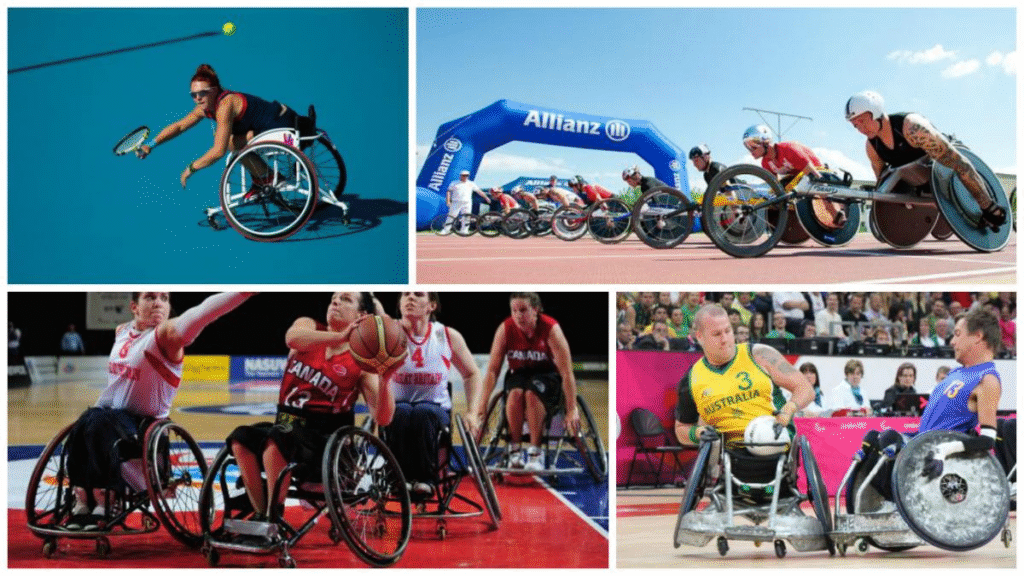
Beyond the excitement of winning gold, para sports have a significant impact. They encourage society to change, adopt new perspectives, and accept the reality that brilliance is present everywhere—opportunity must be equal. Para athletes demonstrate via their training that strength can come from unexpected sources. True athletic commitment is exemplified by their patience in learning new body mechanics, their discipline in mastering adaptive tools, and their unwavering pursuit of development. These athletes don’t allow constraints to define who they are. Rather, they turn their difficulties into a source of strength, motivating millions of others who watch them compete with dignity and pride.
Para sports change the narrative to emphasize human resilience in a society that frequently places too much emphasis on physical beauty. They urge us to view those with impairments with appreciation rather than compassion. Their commitment changes society’s perceptions of capacity, and their successes speak louder than preconceptions. Para sports continue to create a link between excellence and equality thanks to cutting-edge technology, encouraging communities, and increasing recognition. Para athletes change the course of history and establish new benchmarks for what the human body and mind are capable of with each race, lift, throw, and swim.
However, the impact of their stories is perhaps more potent than titles and medals. For kids with impairments, para athletes serve as symbols of hope, demonstrating to them that they can achieve great things. Families that previously felt powerless, communities without accessible spaces, and countries that previously disregarded disability sports are all inspired by them. Their presence inspires schools to implement inclusive sports programs, pushes governments to advance accessibility, and affects society to cultivate empathy, understanding, and respect. As a result, para sports become a movement for human rights, dignity, and world unity in addition to athletic acclaim.
In the end, para sports teach us a lesson that endures long after the games are over: strength is not determined by how flawlessly a body moves, but rather by how strong a spirit gets when it perseveres. With each step, push, stroke, and courageous moment they share with the world, these athletes redefine perfection. They are not just athletes; they are warriors, inventors, leaders, and role models who demonstrate to us that real greatness arises from perseverance in the face of adversity. The future of international athletics will continue to be shaped by para sports, which serve as a constant reminder that everyone may achieve greatness.
Follow us on
Instagram – Damn Fitt
Twitter – https://x.com/damnn_fit
Facebook – https://www.facebook.com/profile.php?id=61578307628888
Click Below👇🏻 Links For More Topics
Let’s Know About Celebrities Fitness
Click Here👇🏻
( https://fitdamn.com/category/celebrity/ )
Let’s Know About Cricketers Fitness
Click Here👇🏻
( https://fitdamn.com/category/cricketer/ )
Let’s Know About Fitness
Click Here👇🏻
( https://fitdamn.com/category/fitness/ )
Let’s Know About Fitness Challenges
Click Here👇🏻
( https://fitdamn.com/category/fitness-challenge/ )
Let’s Know About Fitness Facts
Click Here👇🏻
( https://fitdamn.com/category/fitness-facts/ )
Let’s Know About Fitness Mistakes
Click Here👇🏻
( https://fitdamn.com/category/fitness-mistakes/ )
Let’s Know About Fitness Foods
Click Here👇🏻
( https://fitdamn.com/category/foods/ )
Let’s Know About Footballers
Click Here👇🏻
( https://fitdamn.com/category/footballer/ )
Let’s Know About Motivational Quotes
Click Here 👇🏻
( https://fitdamn.com/category/quotes/ )
Let’s Know About Workouts
Click Here 👇🏻
( https://fitdamn.com/category/workout/ )
