


Introduction
One of the most crucial characteristics in sports is speed fitness, which affects the performance of nearly all athletes, including sprinters, jumpers, hurdlers, relayers, and multi-event competitors. Running quicker is just one aspect of speed; other factors include coordinated movement, explosive leg strength, proper posture, effective stride mechanics, mental alertness, and total-body control.
Because split-second changes determine who wins a race, sets new records, and qualifies for championships, even a slight increase in speed fitness can influence an athlete’s entire career. Athletes that expressly train to increase their speed fitness have stronger muscles, faster reaction times, better acceleration, and increased running economy. Their performance is more effective, controlled, and potent as a result of all these attributes.
Competitions have grown incredibly difficult in today’s sports world. High-level fitness programs, scientific coaching, and sophisticated training methods are used by hundreds of athletes. Speed fitness becomes a significant benefit in such a setting. Increased neuromuscular coordination, explosive strength, and a more competitive mindset are among benefits of speed training for athletes.
These enhancements enable them to maintain a higher running pace, react to racing signals more quickly, and maintain speed under duress. Every athlete knows that increasing speed fitness is crucial to reaching top performance, whether they are competing at the school level or in professional competitions. Beyond sprinting, it is a fitness talent that aids athletes in long jump run-ups, hurdle rhythm, 400-meter pace strategy, relay baton exchanges, and even finishing speed in endurance events.
It is only through organized training, regular practice, and astute technique correction that speed fitness increases. This blog describes how speed fitness develops, what influences it, how athletes may enhance it, and which training techniques work best. This blog provides a comprehensive resource for athletes, students, and fitness lovers who wish to learn about speed fitness in athletics through in-depth subtopics, each with lengthy paragraphs for easier comprehension. To preserve clarity and flow, the term “speed fitness” has been employed organically.
1. Comprehending Athletic Speed Fitness
In sports, speed fitness is the total capacity of an athlete to move swiftly with forceful, regulated, and effective motions. Although the majority of people believe that speed merely refers to running quickly, speed actually encompasses a number of minor but significant factors, including reaction time, acceleration, stride length, frequency, running posture, and neuromuscular coordination.For a performance to function smoothly and quickly, all of these elements must cooperate.
An athlete’s physical strength and technical efficiency increase along with their speed fitness. This is due to the fact that muscle and brain communication efficiency determines speed. More explosive steps are produced by faster muscle activation, which is a result of faster communication. Thus, speed fitness is a neurological capacity as well as a physical attribute.
Knowing how to run correctly is another aspect of speed fitness. In actuality, stride length must be harmonized with stride frequency, despite the common misconception among novices that taking large strides will instantly make them fast. A stride that is too short can waste energy, while one that is too long will slow down. The athlete needs to choose a rhythm that is appropriate for their training level and body type. In a similar vein, arm movement is crucial for sustaining equilibrium and creating propulsion.
The athlete gains greater speed when the arms swing properly because the legs follow with greater force. Another crucial component is posture; leaning too far forward or backward might make running less effective. To run smoothly, the athlete must keep a modest forward lean from the ankle rather than the waist.

2. Speed Fitness-Related Factors
Athletes can enhance their training outcomes by comprehending the various aspects that impact speed fitness. Muscle strength is one of the key elements. Stronger muscles produce greater force throughout each stride, which determines speed. Strong quadriceps, hamstrings, glutes, and calves enable athletes to make more forceful motions, which immediately boosts speed. Flexibility is another factor.
More range of motion and more fluid movement patterns are made possible by flexible muscles. Insufficient flexibility causes the stride to tighten, which slows down acceleration and increases the risk of injury. A key factor in producing speed is appropriate joint mobility, particularly in the hips and ankles. Stride length and speed diminish if the hips are not mobile enough.
Body composition is another significant aspect influencing speed fitness. Athletes who have too much body fat gain weight and slow down because their bodies have to work harder to maintain their speed. For athletes who want to maximize their speed, maintaining an optimal body fat percentage is essential. Energy levels and body composition are also influenced by nutrition. To support high-intensity training, athletes need to eat balanced meals that include proteins, carbs, vitamins, and minerals.
Recuperation and sleep are equally vital. The neural system and muscles are under a lot of strain during speed training. Fatigue creeps in quickly and speed drops if the body does not recover adequately. In order to maintain speed fitness, recuperation techniques like stretching, drinking enough of water, getting a massage, and getting enough sleep are crucial.
3. Speed Fitness is Essential in Athletics
Because it has a direct impact on an athlete’s total performance, speed fitness is crucial in sports. Speed dictates who wins and who loses in sprint events like the 100, 200, and 400 meters. A just 0.1-second improvement can have a significant impact on rankings. In jumping competitions like long jump and triple jump, where an athlete’s run-up speed dictates how far they can jump, speed fitness also helps athletes.
A quicker run-up increases momentum and enables the athlete to cover more ground. Because faster competitors maintain rhythm and cut down on overall race time, hurdle events depend heavily on the speed between the hurdles. Thus, jumping, hurdling, and multi-event sports are all impacted by speed fitness in addition to straight-line running.
Athletic abilities beyond speed are also improved by speed fitness. For instance, athletes who are more fit for speed develop greater core stability, stronger leg muscles, and better balance. These attributes enhance the athlete’s agility and coordination, increasing their effectiveness in motions that call for rapid direction changes.
Because it increases finishing speed, speed fitness benefits even endurance athletes. Athletes frequently have to sprint in the last lap to ensure their place in long-distance events like the 1500, 3000, and 5000 meters. They find it difficult to accelerate at the critical moment if they lack speed fitness. This demonstrates how speed fitness affects a variety of sports.
4. TECHNIQUES TO IMPROVE SPEED FITNESS
Scientific and organized training techniques are necessary to increase speed fitness. Sprint drills are the first crucial technique. Athletes can enhance their body control, stride rhythm, and running technique with these exercises. High knees, butt kicks, A-skips, B-skips, fast-leg drills, and ankling are examples of common drills.
Major muscles including the quadriceps, glutes, hamstrings, and calves are activated during these exercises, which enhances their capacity for rapid contraction. Additionally, they aid athletes in improving their coordination and posture. Regular sprint workouts are necessary because they fix minor technical mistakes that cause an athlete to slow down. Sprint drills are used by elite athletes to improve their technique prior to training and tournaments.
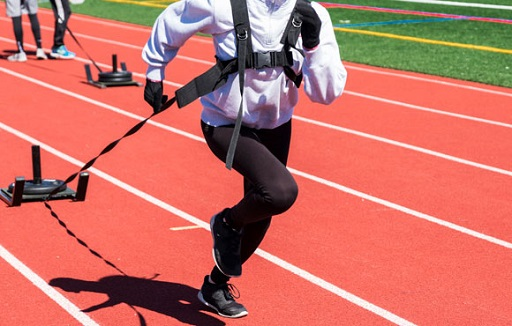
Another crucial strategy for enhancing speed fitness is strength training. Strong muscles produce more power, which raises maximal velocity and acceleration. Because they strengthen the main muscles involved in speed, complex exercises such as squats, lunges, deadlifts, hip thrusts, and calf raises are essential for athletes.
Because the core stabilizes the body during sprinting, core training is also crucial. Speed drops and posture deteriorates in the absence of a strong core. Both heavy weightlifting for power and light weightlifting for endurance are essential components of strength training. Together, these aid athletes in developing both explosive power and endurance for sustained speed over extended distances.
5. The significance of speed endurance
The capacity of an athlete to sustain high speed over a greater distance without slowing down is referred to as speed endurance. For athletes sprinting 100, 200, and especially 400 meters, it is crucial since exhaustion causes the body to slow down. The ability to push beyond exhaustion while preserving form and control is developed by athletes who train for speed endurance.
Tempo runs, interval training, and long sprints like 120- to 300-meter repetitions are all part of speed endurance training. These exercises assist the athlete sustain speed for extended periods of time, develop the cardiovascular system, and increase muscle endurance. Even the fastest athlete will have trouble finishing strong if they lack speed endurance.
Lactate tolerance is also enhanced by speed endurance. Lactic acid accumulates in the muscles of athletes who run quickly, leading to exhaustion and a slowdown in performance. The body learns to tolerate and eliminate lactic acid more effectively through speed endurance training. This allows racers to keep up their speed during the latter stretch of the race. Athletes must mix speed and endurance to compete effectively in 200- and 400-meter races.
They often slow down considerably in the final 50–100 meters if they are not properly trained. For athletes striving for elite performance, speed endurance is therefore not only advantageous but also necessary.
Mental strength is also developed through speed endurance. Athletes suffer from extreme physical discomfort when they exercise for long sprints and intervals. Mental toughness is developed through training through this suffering, which is beneficial during competition. Good speed endurance allows athletes to stay focused and confident even when they’re exhausted.
In close races, this mental toughness frequently makes the difference between winning and losing. Additionally, speed endurance enhances relaxation and running rhythm during high-speed motions. Athletes save energy and perform better when they can run quickly without losing their composure. All things considered, speed endurance is an essential trait that promotes athletic growth and improves competitive performance.
6. TECHNIQUE’S PART IN SPEED FITNESS
One of the most crucial factors in increasing speed fitness is technique. Inadequate technique can waste energy and slow down an athlete, even if they have powerful muscles. Posture is the first step in proper technique. The athlete must keep their spine neutral and bend slightly forward from their ankles. Forward momentum is slowed down when one leans too much from the waist.
Because arms produce power and rhythm, arm swing is also essential. Instead of swinging across the torso, the arms must swing forward and backward in a straight line. The runner slows down and loses balance when they cross their arms. Strong strides require proper knee drive. An athlete can push forward more forcefully when their knees lift appropriately.
Another important component of running technique is foot placement. Heel striking slows down speed and increases impact, so the athlete must land on the midfoot rather than the heel. Faster step changes are possible when you land on your midfoot. Additionally, stride length and frequency need to be balanced. Long strides put athletes at risk of overstriding, which slows them down. Conversely, very short steps waste energy. Athletes are frequently trained by coaches to improve stride frequency first, followed by a gradual increase in stride length through muscle training. Speed is also impacted by hip alignment. The stride loses strength and speed if the hips twist or drop.
Another essential component of technique is relaxation. When running quickly, many novices strain their arms, shoulders, and faces. This strain promotes weariness and decreases productivity. Professional athletes develop the ability to sustain strong, forceful leg action while relaxing their upper body. Because healthy oxygen flow contributes to energy maintenance, breathing technique is also crucial. To find minor mistakes, coaches frequently use video recordings to examine an athlete’s technique. Over time, these minor adjustments lead to significant gains. To maintain proper form and increase speed fitness, athletes must routinely undertake technique training, which is an ongoing process.
7. SPEED FITNESS MENTAL CONDITIONING
Since speed is both physical and mental, mental conditioning is crucial to the development of speed fitness. To perform at their fastest, athletes require intense concentration, fast decision-making, and self-assurance. The success of a sprint race can be determined by how quickly a competitor responds to the start signal. Strong mental training allows athletes to remain composed and focused, which speeds up their reaction times. Visualization techniques are part of mental conditioning, when athletes envision themselves running flawlessly with proper form and reaching their speed targets. This mental exercise increases performance during real races by fortifying the brain-muscle connection.

A key factor in fast performance is confidence. Athletes who have confidence in their skills are more likely to maintain rhythm, get off to fast starts, and exert more effort in the closing seconds of a race. But before to tournaments, athletes may feel anxious, under pressure, or self-conscious. Through mindfulness, breathing techniques, and constructive self-talk, mental training can lessen these negative ideas. These methods assist maintain a relaxed body, a calm mind, and sharper reactions. Additionally, mental conditioning helps athletes how to manage the stress of competition, which is a typical occurrence in elite sports. Athletes can concentrate on their technique and give their best performance when they maintain mental toughness.
Setting goals is another aspect of mental conditioning. To track their improvement in speed fitness, athletes need to set both short-term and long-term objectives. Athletes can concentrate on daily enhancements like improved technique or quicker acceleration by setting short-term goals. They are inspired to remain dedicated during the training season by long-term objectives. To help athletes develop strong mental habits, coaches frequently incorporate sports psychology sessions into their training regimens. Even during challenging training times, a mentally disciplined athlete maintains consistency, motivation, and attention. Thus, mental conditioning is an effective strategy that improves both overall athletic achievement and speed fitness.
In Conclusion
Because it affects a variety of events, including sprints, jumps, hurdles, relays, and even endurance events that call for a powerful finishing kick, speed fitness is one of the most crucial characteristics that characterize success in athletics. This article discussed how strength, coordination, mental focus, response time, and technical expertise are all components of speed fitness, which goes beyond simply running quickly. Athletes that train for speed gain stronger muscles, better neuromuscular coordination, better running mechanics, and more forceful athletic posture. These characteristics aid in improving acceleration, raising maximum velocity, and sustaining high speed for extended periods of time.
This blog’s subtopics demonstrate how a variety of factors, including technique, strength, plyometrics, speed endurance, flexibility, mental training, and recovery, affect speed fitness. Through organized training regimens that incorporate strength training, plyometrics, endurance exercises, and sprint drills, any athlete can increase their speed. It is impossible to overlook the significance of technique correction since even minor adjustments to arm motions, stride mechanics, and posture can have a significant impact on overall performance. In a similar vein, mental conditioning aids athletes in maintaining composure, focus, and confidence under duress—all of which are critical for reaching top speed.
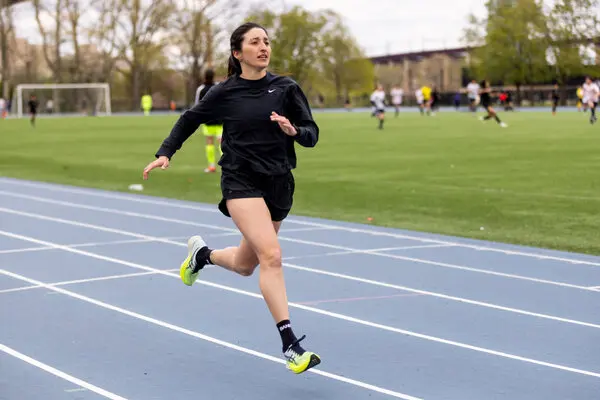
Additionally, speed fitness aids in the resilience and discipline of players. Although the training is demanding, the outcomes are satisfying since speed gives each movement more force and effectiveness. Speed fitness is a crucial element that promotes long-term athletic growth, regardless of the athlete’s sport—sprinter, jumper, hurdler, relay, or long-distance runner. Athletes can reach their maximum potential and continuously perform at their best level by combining physical training with appropriate diet, recuperation, technique correction, and mental conditioning. Speed fitness is a journey that calls for dedication, practice, and passion rather than merely a skill.
Follow us on
Instagram – Damn Fitt
Twitter – https://x.com/damnn_fit
Facebook – https://www.facebook.com/profile.php?id=61578307628888
Click Below👇🏻 Links For More Topics
Let’s Know About Celebrities Fitness
Click Here👇🏻
( https://fitdamn.com/category/celebrity/ )
Let’s Know About Cricketers Fitness
Click Here👇🏻
( https://fitdamn.com/category/cricketer/ )
Let’s Know About Fitness
Click Here👇🏻
( https://fitdamn.com/category/fitness/ )
Let’s Know About Fitness Challenges
Click Here👇🏻
( https://fitdamn.com/category/fitness-challenge/ )
Let’s Know About Fitness Facts
Click Here👇🏻
( https://fitdamn.com/category/fitness-facts/ )
Let’s Know About Fitness Mistakes
Click Here👇🏻
( https://fitdamn.com/category/fitness-mistakes/ )
Let’s Know About Fitness Foods
Click Here👇🏻
( https://fitdamn.com/category/foods/ )
Let’s Know About Footballers
Click Here👇🏻
( https://fitdamn.com/category/footballer/ )
Let’s Know About Motivational Quotes
Click Here 👇🏻
( https://fitdamn.com/category/quotes/ )
Let’s Know About Workouts
Click Here 👇🏻
( https://fitdamn.com/category/workout/ )
