

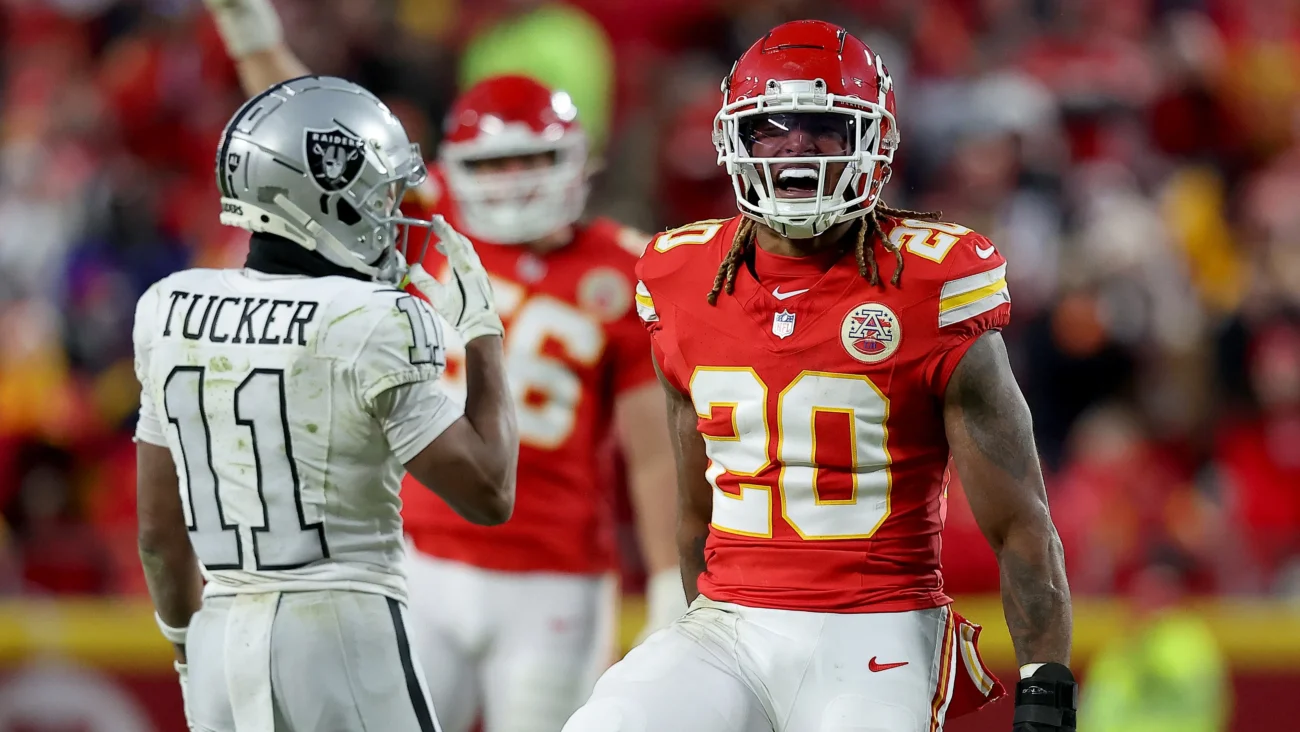
Chiefs Defeat: 7 Powerful Truths of the Chiefs’ Serious Play-Off Setback in Dallas
Introduction
The Kansas City Chiefs entered Dallas with a reputation based on years of playoff consistency, confidence, and expertise. Even the best teams, however, occasionally experience moments when everything suddenly falls out of Chiefs Defeat control. It didn’t seem like a typical loss when they lost in Dallas. Their momentum, confidence, rhythm, and post-season preparations were all rocked by what felt like a devastating play-off blow. As the game transformed from a competitive struggle into a devastating reminder that even giants may fall when the strain surges at the wrong time, fans watched in shock.
The timing of this Chiefs Defeat makes it more significant. A team bounces back from early-season losses. However, the impact increases when a team loses at a critical juncture, when each victory determines the configuration of the play-off bracket. Instead of strengthening their play-off position, the Chiefs came away from this game with more questions than answers. Their performance revealed defensive gaps, offensive miscommunication, turnover concerns, and wasted opportunities at crucial times—problems that many believed had previously been resolved.
More significantly, Dallas took advantage of every error. They controlled the crucial moments rather than just winning. That’s why this loss is so devastating. One mistake, one bad day, or one opponent who puts forth more effort than anticipated can completely alter a season. The Chiefs Defeat must now acknowledge that it will be harder than ever for them to make it to the playoffs.
Let’s examine the main causes of this significant play-off loss.
Defensive Failure at Vital Times in Chiefs Defeat
The Chiefs Defeat breakdown at the precise times when strength was most required was their largest and most obvious issue in Dallas. The Chiefs Defeat has displayed moments of brilliance throughout the season, including disciplined tackling, tight coverage, and strong line pressure. However, from the very first quarter versus Dallas, everything appeared out of order. They frequently suffered from missed tackles, delayed reflexes, and blown coverages, particularly in lengthy third-down situations where stopping the Cowboys may have changed the course of the game.
Dallas quickly saw this flaw. The areas that appeared perplexed or hesitant to react were repeatedly targeted. The Cowboys’ receivers turned short plays into large gains by finding space with near ease. The Chiefs Defeat’ secondary found it difficult to keep up, as Dallas gained momentum with each mistake. The Cowboys’ quarterback remained composed, waited for opportunities, and punished the Chiefs Defeat whenever they faltered, even when Kansas City was able to exert pressure.
The timing of the defensive breakdown added to its agony. Dallas was able to convert drives into points rather than requiring field goals because the Chiefs Defeat were unable to stand tough in red-zone situations. The contest was shaped solely by this differential. One touchdown may completely alter the tempo of a high-stakes game, thus a club vying for playoff spots cannot afford such errors. The Chiefs Defeat gave Dallas too much leeway, which allowed them to take control of the scoreboard early and never get it back.
Missed Opportunities and Offensive Miscommunication
Throughout the game, the Chiefs Defeat, which is typically renowned for its inventiveness and explosiveness, appeared remarkably disjointed. They lost crucial possession time due to late throws, dropped catches, and broken routes rather than precise timing. A team that usually thrives under duress suddenly struggled to convert even basic plays. They repeatedly lost momentum due to this inconsistency, which gave Dallas dominance over both speed and possession time.
Due to the quarterback and receivers’ inability to read the field together, a number of promising drives ended in frustration. Passes went slightly off-target or landed where receivers weren’t expecting them on crucial downs. A number of drives were lost as a result of these little misunderstandings. Such mistakes develop into costly turning points when against a disciplined squad like Dallas.
The breakdown was also caused by the offensive line. Dallas’s pressure resulted in hurried choices and little big-play chances. The Chiefs Defeat expected to dictate the tempo going into this game, but instead they had to play reactively. Furthermore, in a must-win scenario, reactive football seldom works.
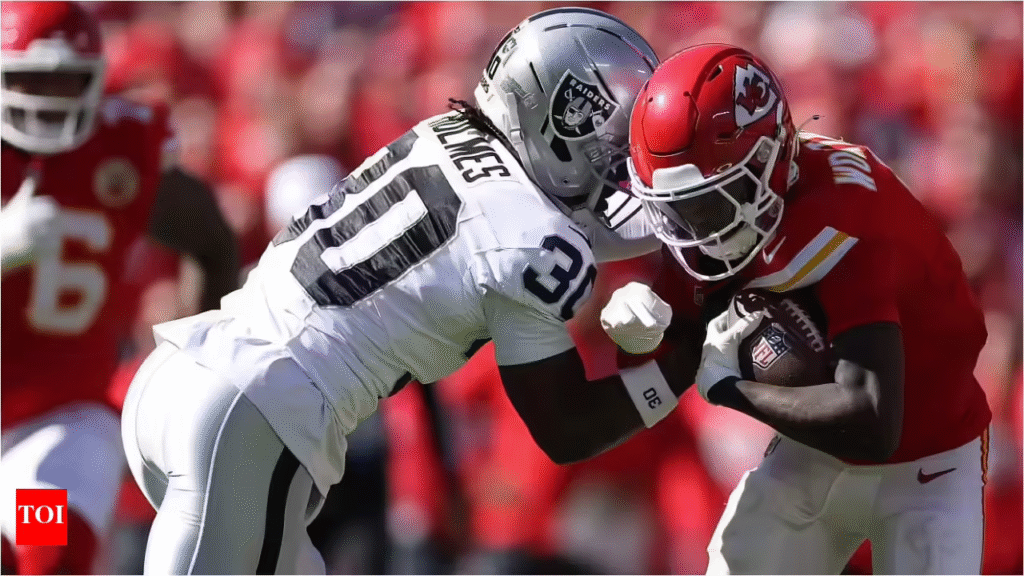
Turnovers That Changed the Whole Momentum
Turnovers may affect the course of a game, particularly when both teams are vying for a spot in the playoffs. The Chiefs Defeat had the worst conceivable outcome in this game: turnovers just as they were starting to establish a rhythm. Every turnover felt like a devastating blow, unexpectedly halting their progress and providing Dallas with the ideal opportunity to increase their advantage.
Patience may have salvaged the play in pressure circumstances and pushed throws, which resulted in the interceptions. In contrast, the fumble was caused by a failure to safeguard the ball while attempting to gain further yards. The Chiefs Defeat loss energy and emotional control in addition to possession as a result of these errors. After each turnover, the team’s body language shifted, and Dallas could see it right away.
The impact was exacerbated when Dallas turned these turnovers into points. A team’s odds of winning drastically decrease when they lose the turnover fight, particularly in a high-stakes game. What could have been a close, competitive game became a one-sided advantage for Dallas due to the Chiefs Defeat incapacity to preserve the ball.
The Better Tactical Strategy of Dallas
Dallas’ outstanding tactical strategy was one of the primary causes of the Chiefs Defeat. Their coaching staff extensively examined Kansas City’s shortcomings and came into the game with a well-thought-out strategy for each phase, including special teams, defense, and offense. They skillfully positioned their players, managed the tempo, and attacked the Chiefs Defeat at their weakest points.
Dallas realized that the secret to victory was to slow down the Chiefs Defeat. Tight coverage, strategic blitzing, and putting Kansas City in tough third-down situations were their main priorities. The Chiefs Defeat explosiveness was significantly diminished and confusion was caused by this aggressive yet smart strategy. Dallas’ offensive strategy included fast passes, clever route combinations, and successful rushing plays to wear down the Chiefs Defeat.
Their strategy was straightforward, accurate, and flawlessly carried out rather than ostentatious. This tactical edge was crucial in making the game a decisive win for Dallas and a serious setback to the Chiefs Defeat chances of making the playoffs.
Penalties and a lack of discipline at the wrong times
One of the most annoying aspects of the Chiefs Defeat in Dallas was the lack of discipline, which was exacerbated by the timing of these errors. A club can withstand a few penalties when they happen in innocuous situations, but the Chiefs Defeat appeared to commit theirs right when it mattered most. Not only did these mistakes lose them yards, but they also ruined their confidence, rhythm, and ability to manage the momentum of the game. Discipline is the cornerstone that keeps a team stable in a high-pressure setting. Regretfully, the Chiefs Defeat found it difficult to keep that foundation throughout the game.
The Chiefs Defeat were frequently taken out of promising positions by false starts, holding calls, and needless roughness penalties. For instance, a number of offensive drives that appeared to be about to blow up were abruptly halted by preventable violations. The Chiefs Defeat were compelled to play extended second and third downs rather than freely and creatively. They became predictable as a result, giving the Dallas defense precisely what they desired: control. They felt like they were losing momentum and wasting another chance each time a penalty forced them to retreat.
The penalties were even more detrimental to the Chiefs Defeat. Dallas drives that ought to have finished were prolonged by third-down defensive pass interference calls. The Chiefs Defeat had several opportunities to change the momentum in their favor with a stop, but the errors allowed the Cowboys’ offense to continue. This exhausted the defenders physically in addition to having an impact on the scoreboard. More time spent reacting, chasing, and tackling without respite results from longer drives. Knowing that the Chiefs were getting tired and losing focus, the Cowboys took advantage of this to quicken their pace.
The punishments appeared to be quite emotional, which made them much more revealing. It was evident that the Chiefs were losing their cool during this game, but a disciplined squad does not react out of irritation. Players appeared easily irritated, responded late in plays, and signaled to referees. Sensing this emotional imbalance, Dallas played calmly and let the Chiefs damage themselves by making snap decisions.
Discipline becomes a test of maturity in a game that could affect the playoffs. In this game, the Chiefs failed that test. In addition to stopping their advancement, penalties revealed a more serious internal problem: an incapacity to remain composed under duress. In the NFL, the teams who maintain composure under pressure are the ones that make it through the play-off battle.
The Chiefs need to take swift action in this area. While one careless game might be overlooked, a season can be ruined by persistent bad decision-making. Discipline must become an integral part of Kansas City’s identity if they hope to regain their playoff momentum. Even the most skilled team will falter in pivotal situations without it.
Unable to Modify Mid-Game
The capacity to quickly adjust when the game plan starts to go apart is one of the main distinctions between a competent team and a genuinely great squad. Regretfully, this was one of the Chiefs’ most obvious flaws in their loss to Dallas. The Chiefs were unable to make any meaningful changes, even though they could witness the Cowboys’ strategy in action. A significant turning moment in the game and a crucial factor in the play-off defeat was the absence of a mid-game tactical change.
Every quarter is like a different war in the modern NFL. Teams that are successful divide the game into stages, monitor the opponent’s changing tactics, and make necessary adjustments. Dallas executed this flawlessly. Dallas replied with more focused, disciplined counterattack each time the Chiefs tried a different configuration. However, the Chiefs stuck to the same patterns rather than changing their preparations. Their defensive alignment appeared rigid and unprepared for Dallas’ quick alterations, and their offensive calls became predictable.
The Chiefs appeared to be stuck in their original game plan, as even the pundits and commentators noted. To relieve the strain on their quarterback, for example, the offensive coordinators did not attempt enough misdirection plays or short-pass strategies. Additionally, they lost out on chances to switch to a fast-paced offense while Dallas’ defense was gathering its breath. On defense, they continued to use soft zones that Dallas could easily exploit rather than switching to more frequent blitzes or tighter press coverage.
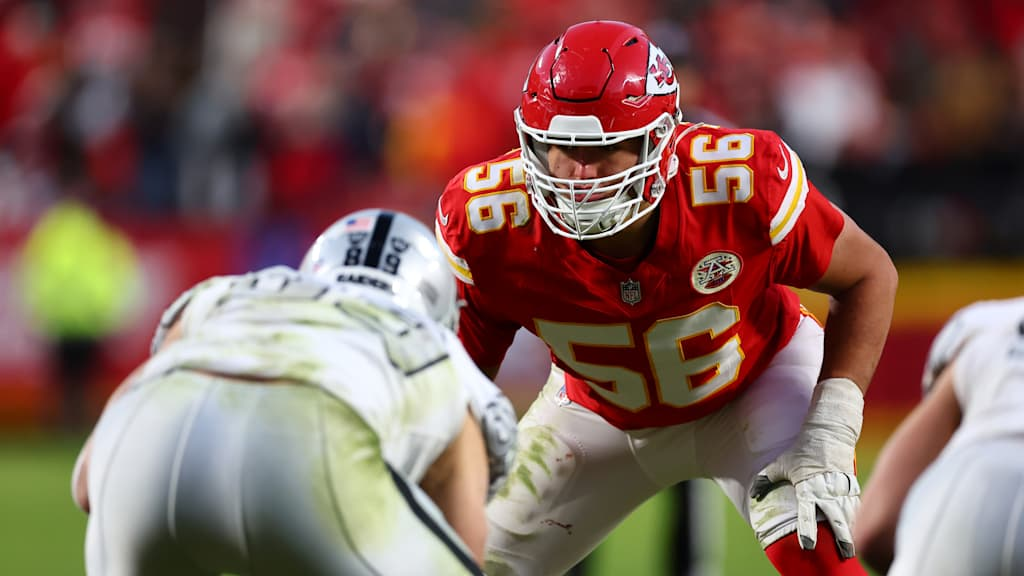
The absence of changes was a reflection of more serious problems: either the squad had adequate backup plans for this game or there was poor communication. Concerns are raised by both scenarios, particularly for a team vying for a solid postseason berth. It takes ingenuity, adaptability, and strategic bravery to play a high-stakes game. Dallas took full advantage of the Chiefs’ inability to demonstrate this flexibility.
Play-Off Stress and Psychological Pressure
In addition to tactical and physical faults, the Chiefs’ defeat was significantly impacted by the psychological strain of the situation. Expectations of making the playoffs weigh on every team heading into the final stretch of the season, but the Chiefs appeared to be under more pressure than normal. The Chiefs were frantically attempting to hold onto their position, the Dallas crowd was boisterous, and the stakes were high. Their decision-making and execution were affected by the mental maelstrom that resulted from all of this.
The Chiefs looked uncomfortable from the time they fell behind early in the game. Their body language shifted, player-to-player communication became hurried, and the composure needed to prevail in difficult situations vanished. The Chiefs typically perform well under duress, converting tense circumstances into potent offensive runs. However, the opposite occurred in this encounter. They made snap decisions, rushed plays, and lost control over minute but important elements.
Dallas, however, had less psychological pressure going into the game. They played with openness, confidence, and clarity instead of the same play-off desperation. As a result, there was a noticeable difference between the two teams: one played calmly, while the other played nervously. In sports, this distinction frequently determines the result more so than skill or strategy.
In particular, the Chiefs’ defense displayed indications of mental exhaustion. When a team is mentally overburdened, it frequently results in missed tackles, delayed reflexes, and misunderstandings. On offense, the quarterback made passes that he wouldn’t typically make. Because they were overanalyzing rather than playing instinctively, receivers dropped catchable balls.
This psychological conflict is significant because it highlights the more profound effects of timing. Such a defeat affects confidence in addition to the points table. And confidence is the heart of every play-off run. The Chiefs need to focus on their emotional health as much as their physical health as the season draws to a close if they hope to recover.
In Conclusion
The Chiefs’ loss in Dallas was more than simply a terrible day on the field; it was a pivotal event that exposed weaknesses in their postseason run at the most inconvenient time. If the squad wants to bounce back before the postseason, every facet of the game offered a lesson, a warning, and a reality check that they need to take seriously. Although supporters might see this loss as a setback, the deeper reality is that it revealed exactly where the Chiefs need to improve.
First, the defensive setbacks demonstrated how crucial synchronization, discipline, and communication are in high-stress situations. Kansas City was at a disadvantage from the start due to their incapacity to halt Dallas’ steady drives. The defense should be the mainstay in games where every possession matters, but in this one, it ended up being the weakest link. This needs to be fixed right away, especially when dealing with dynamic offenses in the postseason.
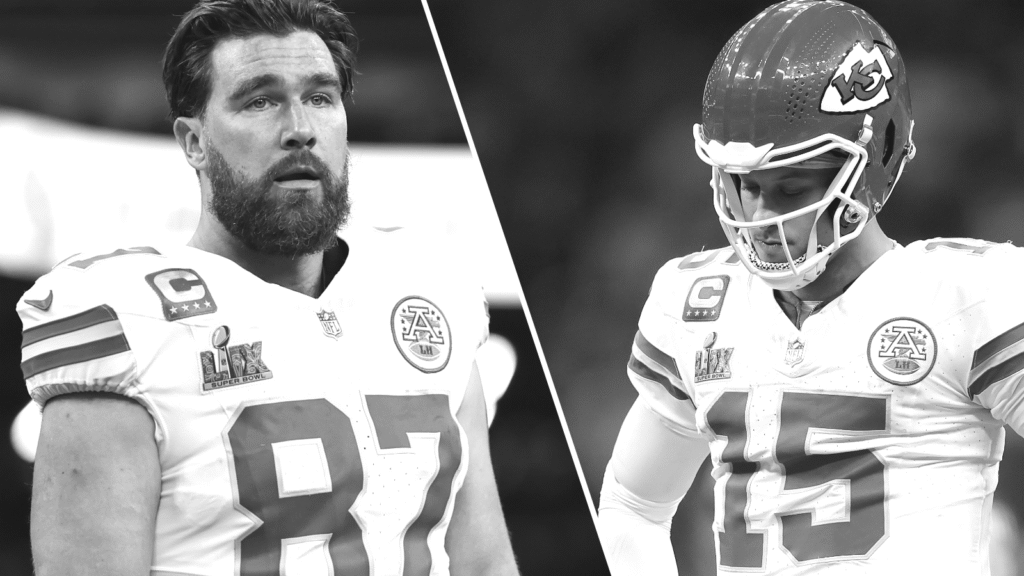
Second, even seasoned squads can falter under duress, as demonstrated by the offensive miscommunication. Creativity, rhythm, and execution have always been central to the Chiefs’ identity. However, the synchronization failed, the timing was off, and the space was off against Dallas. Better practice, improved sideline communication, and prompt decision-making at difficult times are all necessary to address this.
Third, the loss was made much more terrible by the turnovers. Each one gave the Cowboys’ sideline more energy and took momentum away from the Chiefs. Turnovers are emotional triggers that can quickly depress a team in addition to being physical mistakes. If the Chiefs hope to compete well into the postseason, ball protection must become their top priority.
However, the mental component may be the most crucial lesson. Champions’ confidence can be shattered or shaped by pressure. It was evident that the Chiefs’ rhythm was impacted by psychological tension during this game. Their expressions got frustrated, their decisions hurried, and their reactions became tense. This change in perspective made Dallas’ work easier.
Nevertheless, there is hidden strength in every setback. Sometimes a devastating loss serves as the catalyst for an unexpectedly strong recovery. At that very moment, the Chiefs are standing. They can recover if they view this defeat as a turning point rather than a catastrophe. They have the roster, the talent, and the coaching expertise to do so.
They need to strengthen their mental toughness, improve their approach, and regain their self-assurance. The path to the postseason is still open. It has only gotten harder. And the teams that rise with resolve, self-control, and clarity are the ones that make it through these times.
This might be the turning point in the Chiefs’ comeback story, one that is remembered for the ascent that followed rather than the fall in Dallas, if they utilize this loss as motivation.
Follow us on
Instagram – Damn Fitt
Twitter – https://x.com/damnn_fit
Facebook – https://www.facebook.com/profile.php?id=61578307628888
Click Below👇🏻 Links For More Topics
Let’s Know About Celebrities Fitness
Click Here👇🏻
( https://fitdamn.com/category/celebrity/ )
Let’s Know About Cricketers Fitness
Click Here👇🏻
( https://fitdamn.com/category/cricketer/ )
Let’s Know About Fitness
Click Here👇🏻
( https://fitdamn.com/category/fitness/ )
Let’s Know About Fitness Challenges
Click Here👇🏻
( https://fitdamn.com/category/fitness-challenge/ )
Let’s Know About Fitness Facts
Click Here👇🏻
( https://fitdamn.com/category/fitness-facts/ )
Let’s Know About Fitness Mistakes
Click Here👇🏻
( https://fitdamn.com/category/fitness-mistakes/ )
Let’s Know About Fitness Foods
Click Here👇🏻
( https://fitdamn.com/category/foods/ )
Let’s Know About Footballers
Click Here👇🏻
( https://fitdamn.com/category/footballer/ )
Let’s Know About Motivational Quotes
Click Here 👇🏻
( https://fitdamn.com/category/quotes/ )
Let’s Know About Workouts
Click Here 👇🏻
( https://fitdamn.com/category/workout/ )
