

Overview: The Real Story of the Formula One Fitness Challenge
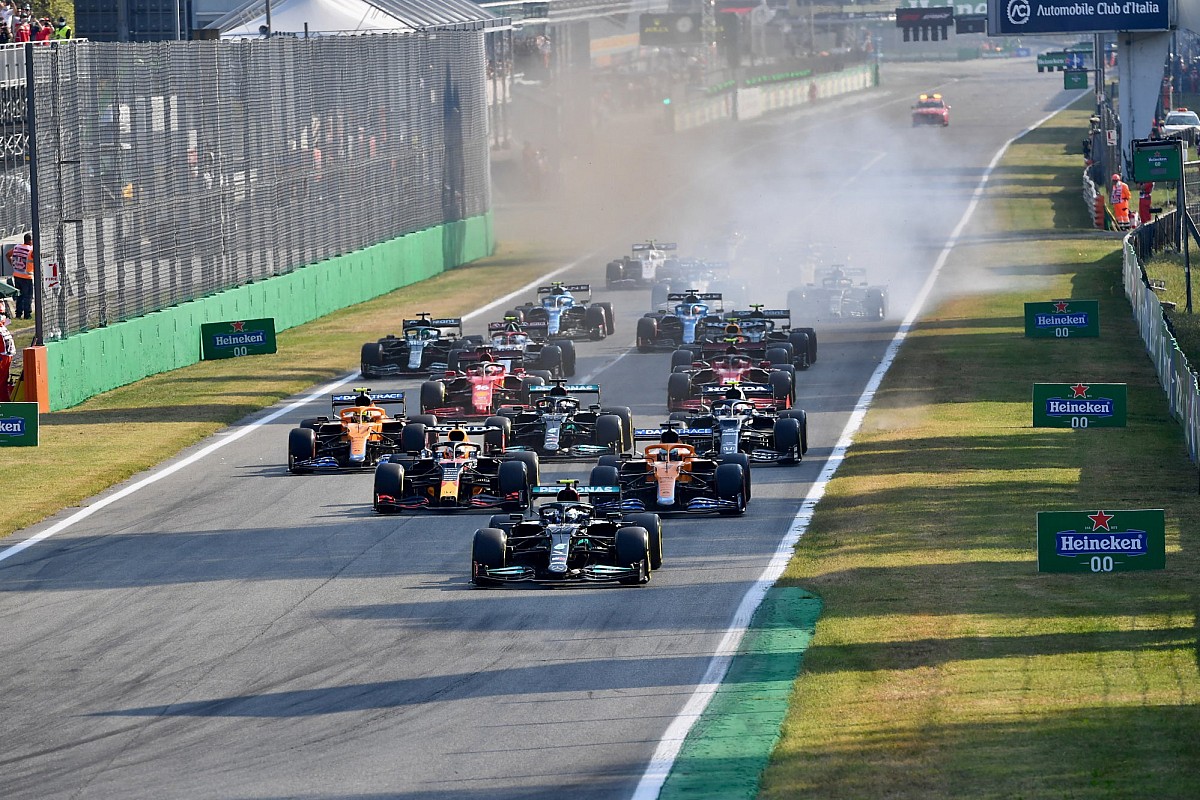
When people hear about Formula 1 racing, they picture drivers performing bold overtakes and cars travelling at high speeds. However, many people are unaware that Formula One racing is about more than just fast vehicles; it’s also about the drivers’ exceptional mental and physical toughness. Because fans and fitness aficionados desire to experience the rigorous training that makes these drivers some of the world’s fittest athletes, the Formula One fitness challenge has gained international attention.
F1 drivers require a special combination of endurance, strength, flexibility, and mental acuity, in contrast to traditional sportsmen who concentrate on a single aspect of physical performance. Over the course of a two-hour Formula 1 race, drivers must contend with tremendous G-forces, searing heat, and ongoing mental strain. Imagine spending the entire race with your pulse rate hovering around 170 bpm while wearing fireproof gear and sitting in a sauna-like cockpit at 50°C. When you combine that with having to make snap judgements while travelling at 300 km/h, you can see why the F1 fitness challenge is regarded as one of the hardest fitness programs in the world.
Drivers like Fernando Alonso, Max Verstappen, and Lewis Hamilton have stated time and time again that the public underestimates the physical demands of Formula One racing. To determine if they can withstand even a little portion of what these top athletes go through, an increasing number of people are going on the F1 fitness challenge. Your strength, endurance, neck stability, core power, and lightning-fast reflexes are all put to the test throughout this challenge. Because mental acuity under duress is just as crucial in Formula 1 as physical strength, it also covers mental training and nutrition.
In order to replicate the real training of Formula 1 drivers, we will dissect the F1 fitness challenge into its essential elements in this article. These ten sections will walk you through the full experience of training like an F1 winner, covering everything from flexibility, aerobic endurance, and mental toughness to neck and core strength. Continue reading if you’re prepared to rise to the occasion and test your limits like never before.
1. What Sets the F1 Fitness Challenge Apart from Other Exercise Programs
The F1 fitness challenge is not like your typical workout, where you just need to run a few miles or lift big weights. A highly specialised training regimen that integrates several fitness facets is required of Formula 1 drivers. They need to be slender but strong, nimble but steady, and composed yet explosive. The goal of each exercise is to improve their capacity to endure G-forces, focus, and respond in milliseconds. Speed, strength, and endurance are the three performance metrics that F1 drivers need at the same time, unlike athletes in most other sports who concentrate on just one.
By combining strength training, mental reflex exercises, endurance drills, and neck training into one program, this challenge simulates that complexity. Every element has a specific function, such as mental fitness for incredibly quick reactions, cardiovascular endurance for enduring demanding races, and neck strength for managing G-forces. By participating in the F1 fitness challenge, you are developing a body and mind that can function in some of the most demanding athletic environments on the planet, in addition to developing your muscles.
2. Endurance Training: Developing an F1 Athlete’s Heart
The F1 fitness challenge is based on endurance. Over the course of a two-hour Formula 1 race, a driver’s heart rate typically remains between 160 and 180 beats per minute. With one significant exception—F1 drivers do it while operating a car at 300 km/h in intense heat and stress—this is similar to running a marathon. Participants in the challenge incorporate swimming, cycling, and long-distance running into their routine in order to duplicate this. These exercises increase oxygen supply, cardiovascular capacity, and stamina, which enables you to maintain high-intensity activity without feeling exhausted.
Another essential component of this endurance phase is High-Intensity Interval Training (HIIT). In addition to consistent endurance, racers must be able to execute explosive moves like overtakes and defensive strategies. By switching between quick recovery intervals and vigorous bursts, HIIT exercises simulate these demands. To stay as healthy as possible throughout the season, drivers like Max Verstappen and Lewis Hamilton frequently practice HIIT circuits and cycling. You’ll build the cardiovascular strength necessary to manage race-related stress by including these in your F1 fitness challenge.

3. F1 Fitness Is Identified by Neck Strength
What really makes the F1 fitness challenge unique is neck strength. Up to 6G of lateral force is experienced by drivers when they corner at high speeds; this means that their head and helmet, which typically weigh about 7 kg together, can feel like 40 kg. A driver couldn’t keep their head up or see in a corner if they didn’t have strong neck muscles. To develop this specific strength, the challenge includes weighted helmet drills, resistance band exercises, and isometric holds.
The sternocleidomastoid and trapezius muscles, which are crucial for maintaining head stability under tremendous strain, are worked during these exercises. Videos of neck harness training, which simulates actual race circumstances, are frequently shared by drivers like Fernando Alonso. Even a brief period of weighted neck training can be taxing for athletes. However, neck tiredness can induce loss of focus, which is a serious concern in both real racing and virtual endurance trials, therefore mastering it is essential.
4. Core Power: Your Zone of Stability
Every F1 driver’s body is supported by a strong core, and for good reason, the F1 fitness challenge places a high priority on core strength. When sat in a reclined position, drivers experience continuous G-forces that put strain on their spine and abdomen. Posture deteriorates in the absence of a strong core, resulting in early weariness and even back injury. For maximum stability, the challenge consists of planks, rotating exercises, medicine ball tosses, and Pilates exercises that build strong oblique and deep abdominal muscles.
Not only does core strength improve endurance, but it also improves steering and braking accuracy under stress. A weak core might result in slower lap times on the track because it is more difficult to regulate micro-movements. Core workouts are crucial for sustaining race consistency, as seen by the hours that drivers like Charles Leclerc devote to them every day. Make core exercises a vital component of your regimen if you want to dominate the F1 fitness challenge.
5. Strength in the Upper and Lower Body: Power with Accuracy
Although they are not bodybuilders, Formula One drivers require a great deal of strength to manoeuvre their vehicles. Because Formula 1 vehicles’ steering systems don’t employ conventional power steering, drivers exert a lot of energy at every turn. This control is made possible by upper body strength, particularly in the arms, shoulders, and chest. Push-ups, dumbbell presses, resistance band rows and TRX workouts are all part of the F1 fitness challenge, which aims to develop lean muscle without requiring the addition of weight—a major turnoff for race drivers.
Because braking demands a tremendous amount of force—sometimes more than 100 kg of pressure on the pedal—lower body strength is equally important. Drivers use workouts like leg lifts, lunges, and squats to strengthen their calves, hamstrings, and quadriceps. For corners and lap times, precise and reliable braking is essential, and this is ensured by explosive lower-body power. The ideal mix of strength and agility that characterises a top-tier Formula One athlete is produced by combining upper and lower body training.

6. Having Mobility and Flexibility to Maintain Comfort in the Cockpit
Although it is frequently disregarded, flexibility is a crucial component of the F1 fitness challenge. Since drivers spend hours in a small cockpit, any stiffness can be distracting and uncomfortable. Flexibility training targets the mobility of the hips, hamstrings, shoulders, and spine to prevent this. The foundation of this portion of the challenge consists of yoga, dynamic stretching, and joint rotation exercises, which guarantee that participants can continue to move freely even in positions that are restricted.
Additionally, increased mobility lowers the risk of injury. Tight muscles can be strained during races by abrupt direction changes or evasive actions. You may maintain fluid motions that enable prompt, accurate reactions without sacrificing comfort by implementing mobility work. Anyone tackling the F1 fitness challenge can learn from Lewis Hamilton’s use of yoga, which keeps him supple and relaxed throughout demanding race weekends.
7. Fueling the F1 Machine with Nutrition and Hydration
Diet and hydration are equally as crucial to the F1 fitness challenge as physical training. By suggesting a diet that promotes strength, endurance, and mental clarity, the challenge seeks to duplicate the 1,500 calories that Formula 1 drivers burn in a single race. Typically, meals are rich in healthy fats to support the body’s ability to perform under stress, moderate in complex carbs for long-lasting energy, and high in lean protein for muscle repair. Micronutrients found in fruits, vegetables, and supplements are also very important for lowering inflammation and accelerating healing.
Another important consideration is hydration, as the intense heat in the cockpit during a race can lead drivers to lose up to three liters of liquids. Fatigue, slowed reaction times, and poor judgment are the results of dehydration, which you cannot afford in Formula One or this challenge. To avoid cramps and preserve nerve function, electrolyte balance is therefore stressed, with beverages containing sodium, potassium, and magnesium. You must fuel your body like a true F1 athlete, making sure every nutrient is optimal for performance, if you want to win the F1 fitness challenge.
8. Reflex training and mental fitness: the relationship between the brain and body
In Formula 1 racing, mental toughness is the true differentiator, even though physical conditioning is important. Drivers must remain composed over two hours of nonstop activity, evaluate enormous volumes of information in milliseconds, and make risky judgments under duress. To replicate these circumstances, the F1 fitness challenge includes brain-training activities including cognitive games, hand-eye coordination exercises, and reaction light systems. To improve attention and lower tension, methods like breathing exercises and meditation are also advised.

In particular, reaction time training is intriguing. Drivers frequently employ LED-based reflex boards, which require them to strike lights that flash at random as fast as they can. These exercises enhance mental-physical synchronization and sharpen brain circuits. Because they need a high level of focus, challenge participants frequently find these activities to be just as taxing as physical ones. Mastering mental resilience is essential if you want to finish the F1 fitness challenge since it’s what professional drivers use to stay focused throughout the last lap of a challenging race.
9. Sleep and Recuperation: The Quiet Performance Enhancers
The F1 fitness challenge’s unsung hero is recovery. Without adequate sleep, brain clarity deteriorates, energy levels drop, and muscles cannot heal. Professional drivers incorporate massage therapy, cryotherapy, and stretching exercises following strenuous sessions because they take recuperation just as seriously as they do training. After challenging workouts, individuals can benefit from methods like foam rolling, mobility drills, and contrast baths to lessen discomfort and hasten healing.
Because sleep has a direct impact on hormone balance, decision-making, and reaction times, it is equally vital. If you want to successfully finish this challenge, you should strive for 8 to 9 hours of good sleep before racing weekends, much like drivers do. Lack of sleep is a crucial component of F1-level fitness since it impairs both mental and physical performance. Prioritizing rest and sleep lays the groundwork for steady progress and helps you stay away from burnout, which is essential for long-term success in the F1 fitness challenge.
10. Pushing Yourself: Finishing the Formula One Fitness Challenge
The real test comes after weeks of intense training, endurance exercises, neck strengthening, mental conditioning, and optimal nutrition: can you finish the entire F1 fitness challenge? A race-day circuit simulation is usually included in the last stage: Reflex training activities that simulate the split-second judgments made during a race are performed after 90 minutes of high-intensity aerobic and resistance workouts for the neck and core. Participants get a true sense of what it means to be a Formula 1 athlete at this point.
It takes more than just physical prowess to overcome this obstacle; mental fortitude and self-control are also necessary. Like actual drivers who race through pain and weariness to cross the finish line, you will perspire, suffer, and persevere through periods of uncertainty. A greater respect for the sport and an amazing sense of accomplishment are gained by those that succeed. The F1 fitness challenge is one of the most satisfying fitness programs available because it teaches you how to think, recover, and perform like an athlete in addition to how to train like one.
Conclusion: The Significance of Every Second in the F1 Fitness Challenge
The F1 fitness challenge is a comprehensive physical makeover intended to mimic the demands of one of the most demanding sports in the world. It is not your typical workout regimen. This challenge incorporates several elements, including raw physical force, mental toughness, flexibility, endurance, and response time, in contrast to conventional fitness regimens that emphasize appearance or fundamental strength. It elevates your fitness objectives to a whole new level, where your ability to execute in simulated race conditions, similar to actual Formula 1 drivers, is used to determine success rather than repetitions or pounds lifted.
The ability to maintain mental discipline under duress is among the most important lessons this task imparts. Your body will want to give up on high-intensity exercises long before the workout is over. Your heart will race, your muscles will ache, and your mind will be looking for reasons to justify the situation. However, you develop the same mental tenacity that enables an F1 driver to maintain composure at 300 km/h each time you decide to go forward. This resilience not only improves your athletic performance but also changes the way you handle life’s obstacles. The attitude you cultivate here becomes your most powerful tool, whether it be for relationships, career, or personal objectives.

The importance of recuperation and equilibrium is yet another important lesson. A lot of fitness fanatics undervalue the significance of sleep, rest, and healthy eating. Without these foundations, great performance is unachievable, as demonstrated by the F1 fitness challenge. Your body needs time and nutrition to recuperate, so you can’t keep pushing it to its limits every day. You should follow systematic recuperation tactics, much like drivers like Max Verstappen and Lewis Hamilton do. Long-term sustainability of your growth is ensured by incorporating rest days, hydration, and appropriate nutrition to keep you strong and prevent burnout.
Lastly, it is impossible to overestimate the emotional impact of finishing the F1 fitness challenge. You’ll know you’ve accomplished something remarkable when you’re done with that final session, when your mind feels stronger than ever and your body is soaked in sweat. You’ve put yourself to the test, seen what elite athletes go through, and shown that you are more capable than you ever thought. This is an opportunity to tear down obstacles and realize your full potential, and it’s more than simply a physical struggle.
Take the risk if you’re prepared to advance your fitness journey to Formula 1 heights. Adhere to the F1 fitness challenge, viewing each demanding exercise, mental struggle, and sweat drop as a necessary step on the path to success. Being the best version of yourself is the goal here, not being a race car driver. And you’ll apply the self-assurance, fortitude, and self-control you developed here to every aspect of your life once you cross the finish line. Are you prepared to accelerate and compete in the ultimate fitness race? The track is ready.
Follow us on
Instagram – Damn Fitt
Twitter – https://x.com/damnn_fit
Facebook – https://www.facebook.com/profile.php?id=61578307628888
Click Below👇🏻 Links For More Topics
Let’s Know About Celebrities Fitness
Click Here👇🏻
( https://fitdamn.com/category/celebrity/ )
Let’s Know About Cricketers Fitness
Click Here👇🏻
( https://fitdamn.com/category/cricketer/ )
Let’s Know About Fitness
Click Here👇🏻
( https://fitdamn.com/category/fitness/ )
Let’s Know About Fitness Challenges
Click Here👇🏻
( https://fitdamn.com/category/fitness-challenge/ )
Let’s Know About Fitness Facts
Click Here👇🏻
( https://fitdamn.com/category/fitness-facts/ )
Let’s Know About Fitness Mistakes
Click Here👇🏻
( https://fitdamn.com/category/fitness-mistakes/ )
Let’s Know About Fitness Foods
Click Here👇🏻
( https://fitdamn.com/category/foods/ )
Let’s Know About Footballers
Click Here👇🏻
( https://fitdamn.com/category/footballer/ )
Let’s Know About Motivational Quotes
Click Here 👇🏻
( https://fitdamn.com/category/quotes/ )
